healing
PMU Healing Timeline: What's Normal at Week 1, 3, and 6
The ghost stage is real, the patchy week-two panic is normal, and no — your brows aren't ruined. A week-by-week breakdown of what to expect after your appointment.
By Sofia · May 13, 2026 · 5 min read
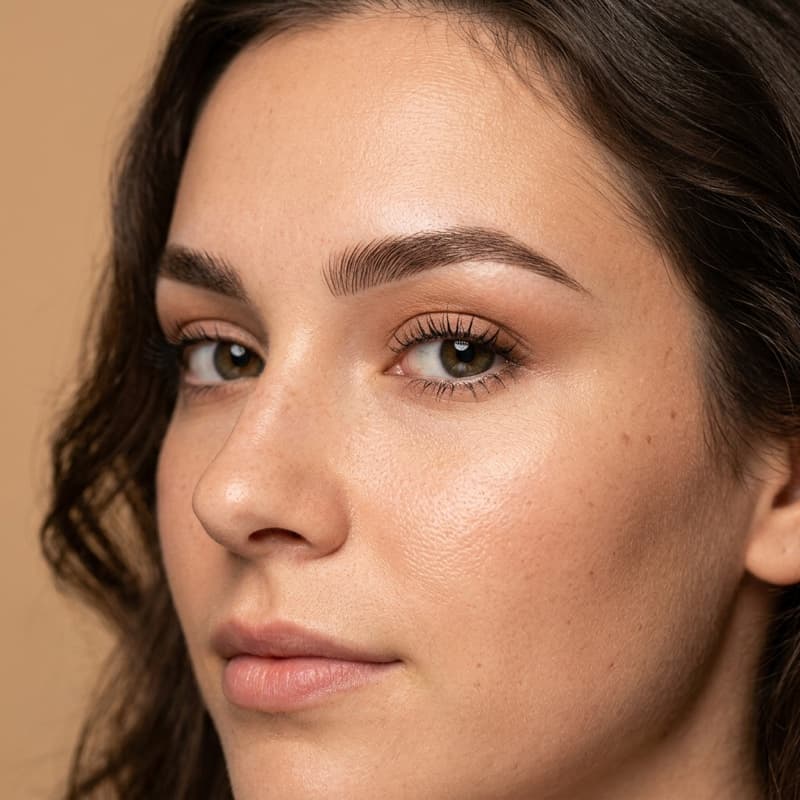
Every client is told what to expect before they leave the studio. I say it out loud, I send the aftercare guide, I explain the ghost stage specifically because it's the one that tends to cause panic. And still — two weeks later, I hear from clients who are convinced something went wrong. The healing process is counterintuitive in a way that's hard to fully internalize until you're living through it. So here it is, week by week, with no vague language.
Day 1: It looks intense. That's normal.
Fresh PMU is 30 to 40 percent darker than the healed result. This is not an exaggeration. The pigment is sitting at the surface of the skin before any healing has occurred, and the tissue itself is slightly swollen and inflamed from the procedure. The combination makes the color read significantly bolder than it will settle.
Physiologically, what you're seeing is pigment deposited into the upper dermis with the surrounding tissue in an acute inflammatory state. Your immune system has already started responding — that's what redness and slight puffiness around the brow are. This is your body doing exactly what it should. By day two or three, the swelling resolves and the surface begins to dry.
Days 2–4: Darkening and the start of flaking
This surprises people: the color often gets darker before it gets lighter. As the pigment oxidizes in the first 48 to 72 hours, it temporarily deepens. This is a chemical process — the same reason a cut apple browns — and it's temporary. The darkening peaks and then the skin starts to dry.
By day three or four, you'll notice the surface of the brow beginning to flake. Leave it alone. Picking or pulling at flaking skin removes the pigment underneath it — the skin isn't done with it yet. Premature picking is the single most common cause of uneven healed results and patchy retention. Let the skin shed on its own timeline.
Week 1: Active flaking
By the end of the first week, the skin is actively exfoliating the outermost layer of the tattoo. This is normal and expected. The brows will look uneven mid-process — some sections flake first, others follow. For microblading, specific strokes may appear to vanish entirely while adjacent ones are still present. For powder brows, the fade is more uniform but still patchy.
This is the phase where good aftercare matters most. Keep the area clean, apply the recommended ointment in a thin layer, avoid submerging in water, and stay out of direct sun. Don't judge the result here. This is not what the healed brow looks like.
Weeks 2–3: The ghost stage
This is the phase that generates the most messages. The color looks too light — sometimes almost completely gone. Clients who had full, defined brows at day one are looking at what appears to be nothing, or a very faint shadow, and wondering if the pigment took at all.
Here's what's actually happening: the fresh epidermis that's growing back over the healing tattoo is temporarily opaque. The pigment is there — it's sitting in the dermis where it was deposited — but the new layer of skin forming above it hasn't thinned out yet. As that new skin matures and settles, the color underneath it begins to show through again. This process takes two to three weeks to complete.
The ghost stage is not a sign the procedure failed. It is not a sign the pigment didn't take. It is a predictable, physiological stage that every client goes through. The color will come back.
Week 6: Settled, healed color
By week six, the skin has fully cycled through its healing process and the pigment has stabilized. This is the baseline we design for at consultation. When I choose pigment, stroke depth, and saturation, I'm choosing for the week-six result — not the day-one result and not the week-two result.
Healed color is softer and slightly lighter than what you saw fresh. It's also more accurate. Week-six brows are the real result, and they're the standard I measure my own work against. If anything needs adjusting, the touch-up appointment (typically scheduled between six and eight weeks) is when we address it.
What's normal vs. what's not
What's normal
Darkening in the first 48 hours. Flaking through week one. Patchiness mid-process. Color that looks too light at week two. Slight itchiness as the skin heals. Minor asymmetry that often resolves once both sides finish healing at their own rate.
What's not normal
Swelling that extends beyond 48 hours or spreads past the treated area. Discharge that is yellow, green, or has an odor. Fever or chills following the procedure. Significant pain (tenderness is normal; sharp pain is not). Red streaking from the treated area. If any of these occur, contact a medical provider. These are signs of infection, not healing.
Lip blush heals differently
If you've had a brow procedure before, don't use that as your reference point for lip blush. Lip tissue is thinner, more vascular, and responds more dramatically to the healing process. The ghost stage for lip blush can be significantly more pronounced — lips can look almost entirely faded at week two before coming back. The final healed result typically arrives closer to six to eight weeks. The principle is the same; the intensity is amplified.
If you're deciding between techniques, the healing timeline differs slightly too. I broke it down in Microblading vs. Ombré Powder Brows.
Questions about your specific healing? Book a consultation.
Want to know what comes after healing? Read through the Process page to see how I design brows from the first consultation to the touch-up.
Related services
Read next
technique
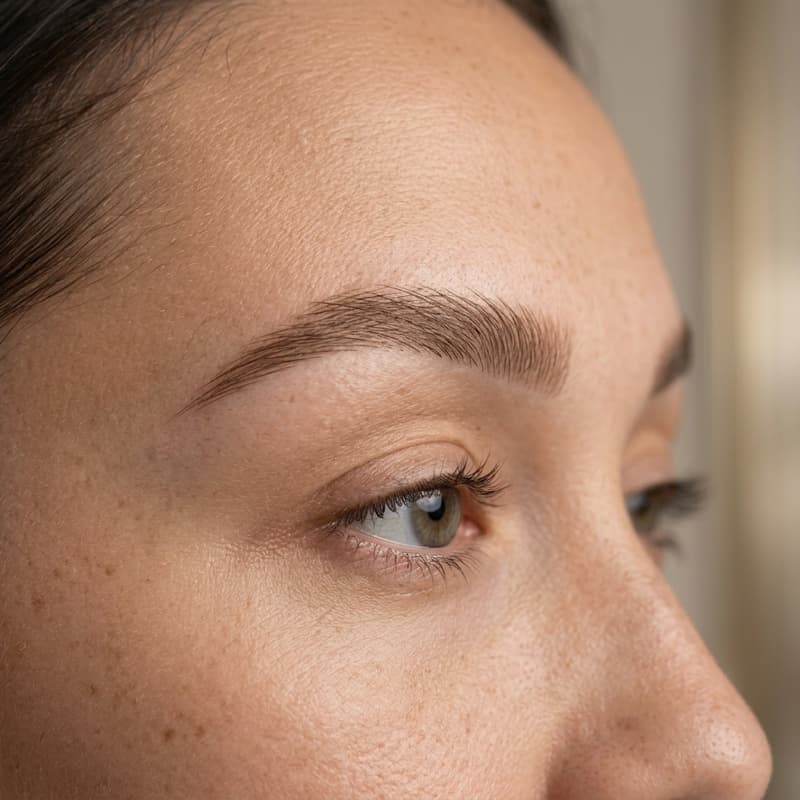
Microblading vs. Ombré Powder Brows: Which Is Right for Your Skin?
Two techniques, two very different results. Here's how to choose based on your skin type, lifestyle, and what you actually want to see in the mirror.
May 13, 2026 · 5 min read
pigment
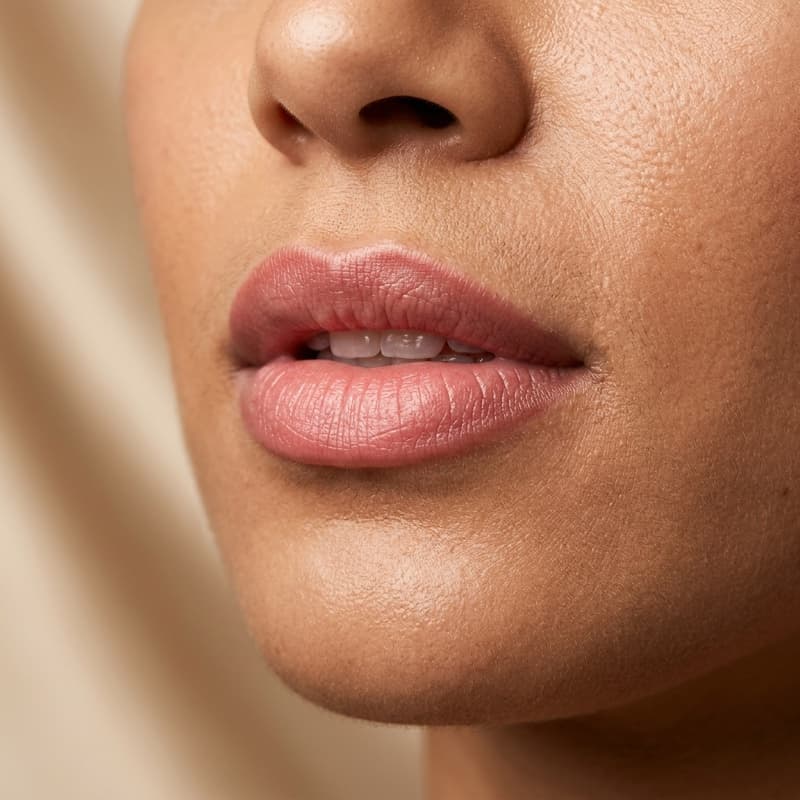
Choosing the Right Pigment for Your Skin Tone
Undertone matters more than Fitzpatrick scale. Here's how pigment is actually chosen — and why healed color is the only color that counts.
May 13, 2026 · 4 min read
Ready when you are.
Or text Sofia at (321) 336-6326