pigment
Choosing the Right Pigment for Your Skin Tone
Undertone matters more than Fitzpatrick scale. Here's how pigment is actually chosen — and why healed color is the only color that counts.
By Sofia · May 13, 2026 · 4 min read
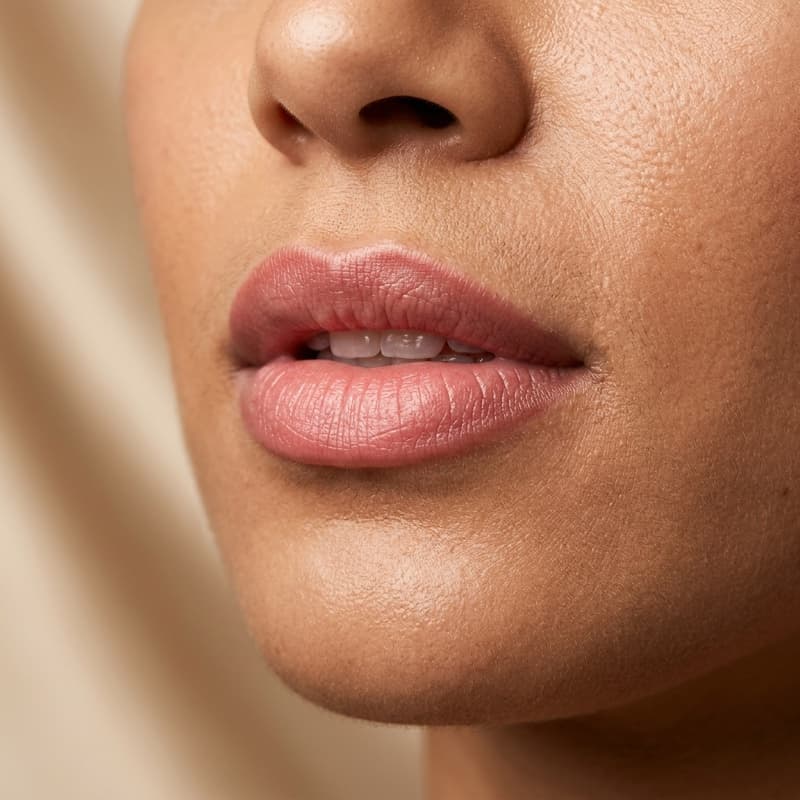
Most people assume pigment selection is straightforward — pick something close to your brow color, maybe a shade darker, and call it done. In practice, it's one of the most technically demanding parts of a PMU consultation. Get it wrong and the healed result reads ashy, orange, or simply off in a way that's hard to name but immediately noticeable. Get it right and the pigment looks like it grew there. The difference comes down to understanding undertone, skin structure, and the gap between what pigment looks like in the bottle and what it becomes in skin.
Undertone vs. Fitzpatrick scale
The Fitzpatrick scale classifies skin by its UV response — how quickly it burns, how readily it tans. It's a useful medical tool, but it's not what drives PMU pigment selection. Two people who are both Fitzpatrick III can have completely different healed results from the same pigment because their undertones diverge.
Undertone — warm, cool, or neutral — describes the underlying hue cast of your skin. Warm undertones have yellow, peach, or golden tones. Cool undertones lean pink, red, or blue. Neutral undertones are a balance of both. This matters for PMU because pigment healed in skin with a strong warm undertone reads differently than the same pigment healed in skin with a cool undertone. The epidermis doesn't just cover the pigment — it colors it.
Understanding Fitzpatrick type is still relevant. Melanin concentration affects how deeply color reads, how much the epidermis filters the deposited pigment, and what longevity looks like. But when I'm selecting which specific pigment to use, undertone is the first filter.
How pigment actually works in skin
PMU pigment is deposited into the dermis — the layer below the epidermis. The epidermis, the outer skin layer we can see and touch, sits above the tattoo and acts as a translucent filter. Fresh pigment looks one way because the epidermis is temporarily disrupted by the procedure. Healed pigment looks different because it's now being viewed through intact, fully functioning skin.
This filter effect is why a pigment that looks warm and brown in the bottle can shift cooler in healed skin on someone with a pink undertone. The epidermis isn't neutral. It has its own hue that modifies what's underneath. Every pigment decision I make accounts for that transformation — I'm not choosing the color you'll see in the chair. I'm choosing the color you'll see at week six.
Warm vs. cool vs. neutral undertones
Warm undertones need warm-leaning pigments. If I use a cool or neutral brown on warm skin, the healed result often reads ashy — a grey-brown that looks flat and slightly wrong next to golden or yellow-toned skin. Adding warmth to the pigment formula, even subtly, counteracts that cool shift.
Cool undertones have more flexibility. The natural pink or red cast in the skin helps warm pigments settle without going orange, and cool-toned pigments don't shift as dramatically as they would on warm skin. That said, going too cool on pink undertones can still produce a slightly purple or grey cast at healed, especially on light skin.
Neutral undertones are the most forgiving. A wide range of brown and taupe pigments heals predictably on neutral skin because there's less dominant hue working against the selection. It's still not a free pass — the Fitzpatrick level and skin thickness still matter — but neutral undertone clients typically have more options.
Why darker skin tones need different formulations
This is where a lot of PMU work goes wrong, and it's worth being direct about it. On deeper skin tones — Fitzpatrick IV through VI — melanin concentration in the epidermis acts as a significant filter. It absorbs and mutes lighter pigments. Under-saturating the deposit on deep skin results in a grey or ashen cast once healed, because there isn't enough pigment to read through the epidermal filter at full value.
Deeper skin tones also need pigment formulations with enough density to show true color, not just a shadow. Going too light in pigment selection — trying to match the client's natural brow hair exactly — often produces a result that reads grey and faded rather than natural. The correct choice is frequently richer and slightly warmer than feels intuitive.
The reverse error exists too: overly dark pigment on deep skin with a warm undertone can heal with an unnatural darkness that looks tattooed rather than cosmetic. The answer is calibrated saturation with the right undertone bias — not just "go darker."
How I choose pigment at consultation
I start by assessing undertone in person, in natural light, not studio lighting. Studio lighting lies. I look at the inner wrist, the back of the jaw, and behind the ear — areas where undertone reads clearly without sun exposure or cosmetics.
I look at the client's brow hair color as a reference, not as a target. The goal is a result that looks harmonious with the brow hair — not necessarily identical to it. Natural brows aren't one color; they're three or four tones within a single hair and varying across the arch. A flat color match looks artificial.
Where possible, I use healed sample dots rather than fresh swatches to validate the selection. Fresh pigment on skin tells you roughly nothing about the healed result. The sample dots, assessed at week six, tell you everything. This is the standard I hold myself to, and it's why I ask detailed questions about previous PMU if you've had work done elsewhere.
Remember: you can't judge pigment selection from fresh work. The PMU healing timeline explains why the color you see at day 1 isn't the color you'll keep.
Want to talk through what pigment is right for your undertone? Book a consultation.
Pigment selection is just as critical for lips as it is for brows. If you're considering color work, read about Lip Blush.
Related services
Read next
technique
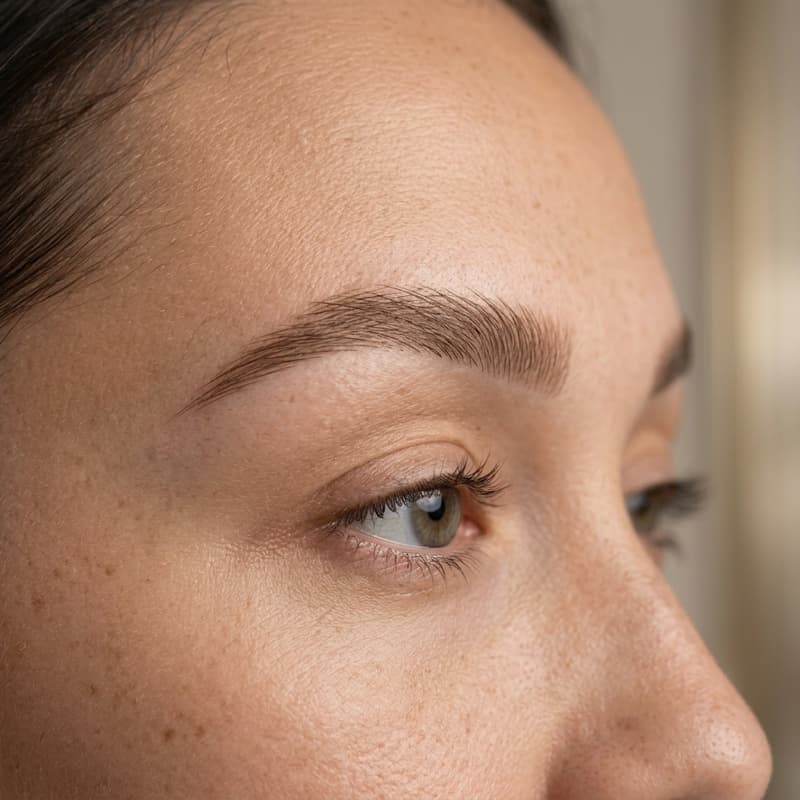
Microblading vs. Ombré Powder Brows: Which Is Right for Your Skin?
Two techniques, two very different results. Here's how to choose based on your skin type, lifestyle, and what you actually want to see in the mirror.
May 13, 2026 · 5 min read
healing
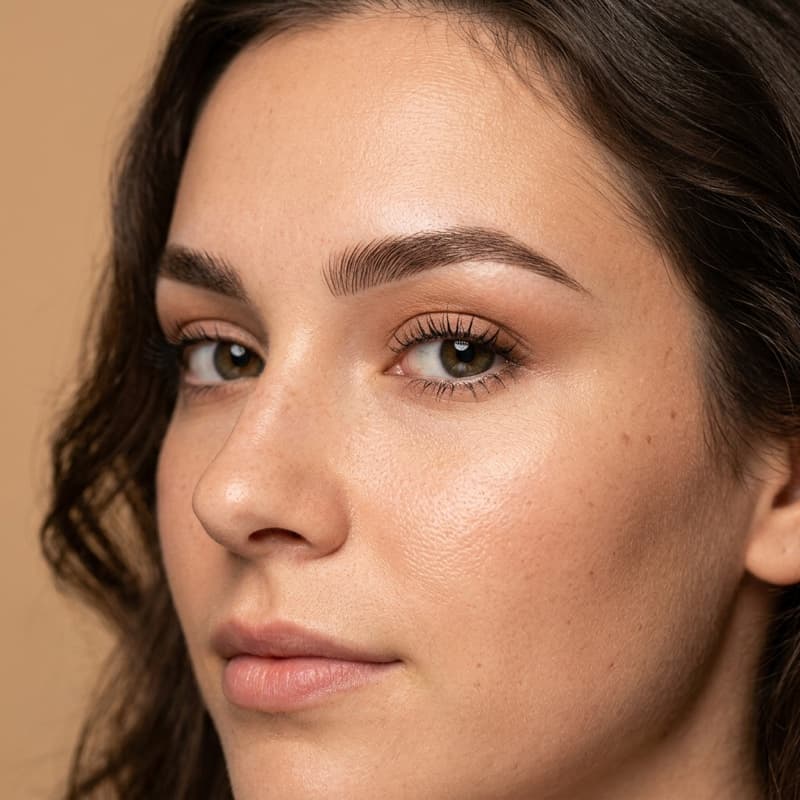
PMU Healing Timeline: What's Normal at Week 1, 3, and 6
The ghost stage is real, the patchy week-two panic is normal, and no — your brows aren't ruined. A week-by-week breakdown of what to expect after your appointment.
May 13, 2026 · 5 min read
Ready when you are.
Or text Sofia at (321) 336-6326